Why Most Blood Trails Are Lost in the Last 50 Yards
Recovering a deer should be the easy part. The shot is behind you, adrenaline fades, and confidence is high. Yet more deer are lost during recovery than during the shot itself—and most of them disappear in the final 50 yards.
That last stretch is where light fades, sign thins out, and small decisions start to matter more than anything that came before. It’s rarely about a bad hit. It’s about impatience, assumptions, and failing to adjust when conditions change.
After tracking deer in daylight, last light, and full darkness, one pattern shows up again and again: the final yards are where discipline matters most.
For a complete breakdown of night recovery strategy, read how to blood track a deer at night step-by-step.
The Problem Isn’t the Hit — It’s the Transition
Most recoveries fall apart during a transition:
- Daylight to dusk
- Dusk to full darkness
- Heavy blood to sparse sign
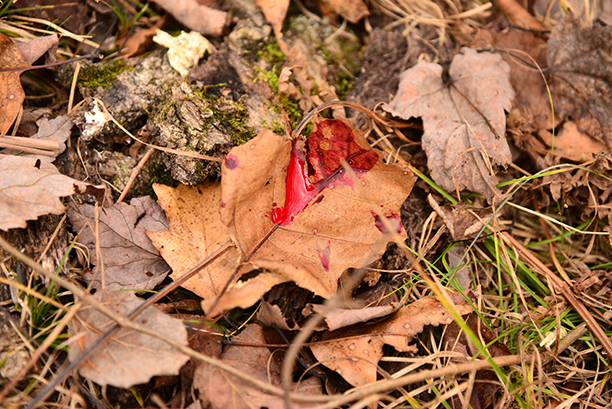
Early tracking feels straightforward. Blood is visible. Direction is obvious. Confidence builds quickly.
Then conditions change.
When blood shifts from splashes to pin drops, many hunters subconsciously speed up instead of slowing down. They expect the deer to be piled up just ahead. That expectation causes them to miss the subtle details that actually matter.
Why the Last 50 Yards Are Different


1. Wounded Deer Change Behavior
In the final moments, deer often:
- Angle downhill
- Circle toward thicker cover
- Bed briefly, then move again
- Travel with intent instead of panic
Blood may pause. Direction may shift. Tracks and disturbed ground become more important than visible sign.
If you continue walking forward looking only for blood, you walk past the information you need.
2. Light Becomes the Limiting Factor
Most lost deer aren’t lost because blood disappeared — they’re lost because visibility collapsed.
Low-angle light:
- Reduces contrast
- Flattens terrain
- Makes dark blood blend into leaves and soil
Once daylight fades, tracking becomes less about following and more about interpreting. If you don’t consciously change how you move and observe, you start losing information instead of gaining it.
3. Mental Urgency Replaces Patience
This is where most recoveries quietly fail.
Hunters rush because:
- “It should be right here”
- Night is coming
- Confidence overrides caution
Speed feels productive. In reality, it hides sign.
What Actually Works in the Final Stretch

Slow Down — Then Slow Down Again
When blood thins:
- Take one step at a time
- Scan before moving forward
- Look back often — sign reveals itself from different angles
The slower you move, the more information you retain.
Mark Last Blood Every Time
Before moving on, visually mark last blood. This:
- Preserves direction
- Prevents drifting off line
- Makes subtle changes in travel obvious
If you can’t see three marked points forming a direction, you’re guessing.
Shift From Blood to Context
In the last yards, blood becomes secondary to:
- Tracks
- Bent grass
- Broken brush
- Displaced leaves
- Entry and exit paths through cover
Blood tells you what happened. Context tells you where it went.
Common Mistakes That Cost Recoveries
- Assuming no blood means no deer
- Walking past last blood without marking it
- Tracking too fast at dusk
- Using the same approach at night as in daylight
- Fixating on where you think the deer should be
None of these mistakes feel significant in isolation. Together, they end recoveries.
When Gear Actually Matters
Technique matters more than tools — until light is gone.
Once darkness sets in, the ability to control light direction, intensity, and contrast becomes critical. At that point, preparation determines whether you continue gathering information or start guessing.
I break down the lighting setups and tools that actually help in those situations here:
→ Best Hunting Headlamps for Blood Tracking
(No selling. Just preparation.)
Closing Thought
Most deer aren’t lost because hunters don’t care. They’re lost because the final moments of a recovery demand a different mindset than the first hundred yards.
Treat the last 50 yards as the most important part of the process, and your recovery success rate changes dramatically.