
How Long to Wait Before Tracking a Deer (By Shot Placement Guide)
One of the biggest mistakes hunters make happens after the shot—not during it.
Tracking too soon can turn a short recovery into a long, difficult one. A deer that would have expired within 100 yards can be pushed into the next property if you rush.
Knowing how long to wait before tracking a deer is one of the most important decisions you’ll make in the field.
Why Waiting Matters More Than You Think
A well-hit deer will often:
- Bed down within a short distance
- Expire without being pushed
- Leave a more consistent blood trail
But when you track too early:
- Adrenaline keeps the deer moving
- Distance increases significantly
- Blood trails become harder to follow
Patience is often the difference between recovery and losing the deer.
How Long to Wait Based on Shot Placement
Double Lung Shot
Recommended Wait Time: 30–60 minutes
- Deer typically runs 50–150 yards
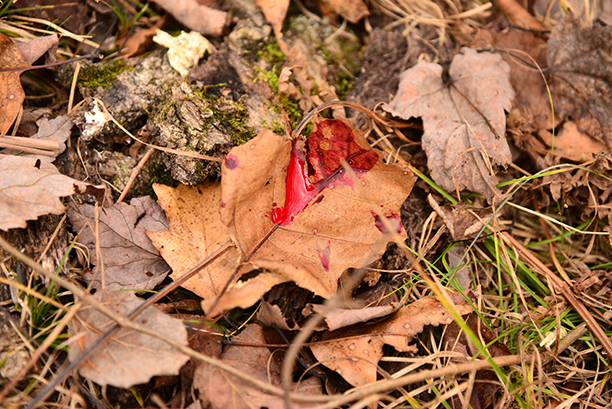
- Bright red blood with bubbles
- Quick expiration
These are the most straightforward recoveries—as long as you don’t rush in too quickly.
Heart Shot
Recommended Wait Time: 15–30 minutes
- Deer often drops within sight
- Heavy blood trail
- Very short recovery
Even if you see the deer go down, give it time before approaching.
Liver Shot
Recommended Wait Time: 4–6 hours
- Dark red blood
- Slower movement
- Deer typically beds within a few hundred yards
Tracking too early will almost always push the deer farther.
Gut Shot
Recommended Wait Time: 6–12 hours (minimum)
- Little to no blood initially
- Strong smell may be present
- Deer moves slowly and beds down
This is where most recoveries are lost due to impatience.
For a full breakdown of this situation:
How to Track a Gut Shot Deer (Step-by-Step Guide)
Uncertain Shot Placement
Recommended Approach: When in doubt, wait longer
If you’re unsure:
- Back out quietly
- Give the deer more time than you think
- Return slowly and deliberately
Pushing a deer you’re unsure about almost always makes recovery harder.
What to Do While You Wait
Waiting doesn’t mean doing nothing. Use this time to prepare.
- Replay the shot in your head
- Identify where the deer was hit
- Mark last known location
- Plan your tracking route
This is where disciplined hunters separate themselves.
Gear That Helps During Recovery
Headlamp (Essential for Low Light Tracking)
A quality headlamp gives you:
- Hands-free tracking
- Better visibility on blood
- Safer movement in low light
For a deeper breakdown:
Best Hunting Headlamps for Blood Tracking
Onx Maps
Must-have app for your phone. This helps you:
- Mark last blood
- Track direction of travel
- Avoid losing the trail
- Send pins to hunting partners to help on the search
Flagging Tape (Stay on the Blood Trail)
If you don’t have OnxMaps or another mapping app on your phone. This is poor man’s version, which will also help you:
- Mark last blood
- Track direction of travel
- Avoid losing the trail
Common Mistakes That Cost Recoveries
Most lost deer come down to decisions—not equipment.
Avoid:
- Tracking too early
- Misjudging shot placement
- Moving too quickly on the trail
- Letting adrenaline override patience
Slow, deliberate tracking increases your success rate significantly.
How This Connects to Blood Tracking
Waiting properly sets up everything that happens next.
For more guidance:
How to Blood Track a Deer at Night (Step-by-Step Guide)
Why Most Blood Trails Are Lost in the Last 50 Yards
Final Thoughts
The right wait time can be the difference between:
- A short recovery
- Or a lost deer
Patience isn’t passive—it’s strategic.
The hunters who recover the most deer are the ones who slow down when it matters most.