
Unlock Success in Blood Tracking at Night: Essential Gear
Blood tracking at night is a different task than following a blood trail in daylight. Visibility drops, contrast disappears, and small mistakes get magnified quickly. The goal isn’t to flood the woods with light—it’s to preserve information.
The right gear doesn’t replace patience or technique, but it can prevent you from losing sign when conditions deteriorate. This list focuses on practical tools that support disciplined tracking, not gimmicks or overkill setups.
Start with our complete guide on how to blood track a deer at night, then refine your gear from there.
What Changes When Blood Tracking at Night
Before gear matters, expectations need to shift.
At night:
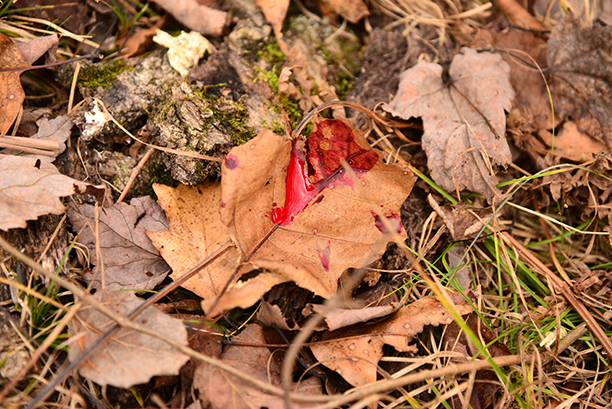
- Blood looks darker and blends into leaves
- Depth perception collapses
- Directional clues are harder to confirm
- Fatigue and urgency increase mistakes
The best gear choices are the ones that slow you down, sharpen contrast, and help you preserve direction.
The Gear That Actually Helps at Night

1. A Quality Headlamp (Hands-Free, Controlled Beam)
A headlamp is non-negotiable for night tracking—not because it’s brighter, but because it keeps your hands free and your light aligned with your eyes.
What matters:
- Adjustable brightness (not just max output)
- Controlled beam (flood > spot for tracking)
- Comfortable fit for long use
Once darkness sets in, the ability to control light direction, intensity, and contrast becomes critical. I break down the headlamp setups that actually work for blood tracking in my guide to best hunting headlamps for blood tracking.
2. Backup Handheld Light (For Contrast Checks)
A small handheld flashlight complements a headlamp—not replaces it.
Use it to:
- Change light angle
- Confirm questionable sign
- Scan brush or edges without moving your body
You don’t need extreme lumens. You need a different angle.
3. Flagging Tape or Tracking Markers
At night, losing direction is more dangerous than losing blood.
Marking last blood:
- Preserves travel line
- Prevents drifting
- Helps you recognize subtle direction changes
Even biodegradable tape or reflective tacks used sparingly can save a recovery when sign thins.
4. Thin Gloves (Dexterity Over Warmth)
You’ll be touching:
- Leaves
- Stems
- Grass
- Ground sign
Thin gloves protect your hands while keeping tactile feedback. Bulky gloves slow you down and make you sloppy.
5. Spare Batteries or Power Bank
Running out of light mid-track is more than inconvenient—it forces rushed decisions.
Carry:
- Extra batteries or
- A small power bank if your headlamp supports it
This isn’t about redundancy for comfort. It’s about maintaining patience.
What You Can Skip (Despite the Marketing)
A lot of products are sold as night-tracking solutions but add little value.
You can safely skip:
- UV “blood finder” gimmicks
- Oversized spotlights that flatten depth
- Complicated multi-tool kits
- Anything that requires constant mode switching
If a tool distracts you from the track, it’s working against you.
How to Use This Gear Together
Night recovery works best when gear supports a deliberate process:
- Headlamp on low to medium output for constant scanning
- Mark last blood before moving forward
- Use handheld light only to confirm or re-orient
- Pause often and reassess direction
Movement should feel slow—because it should be.
When to Stop and Back Out
Even with the right gear, stopping can be the right call.
Consider backing out if:
- Blood ends without clear direction
- Weather threatens to erase remaining sign
- Fatigue causes rushed decisions
- Confidence in direction is gone
Good gear preserves options. It doesn’t replace judgment.
Closing Thought
Recovering a deer at night isn’t about having more equipment—it’s about having the right tools used with restraint.
If your setup helps you slow down, maintain direction, and stay disciplined after dark, it’s doing exactly what it should.