
Best Gear to Stay Warm on Long Cold-Weather Hunts (Hands, Feet & Core)
Recovering from a long sit that ends early because you’re frozen is frustrating. Late-season hunts often produce the best movement—but only if you can stay comfortable long enough to capitalize on it.
Cold fingers, numb toes, and a chilled core kill focus, reaction time, and patience. The right gear doesn’t just keep you warm—it keeps you hunting.
Below is a practical breakdown of cold-weather hunting gear that actually works, organized by hands, feet, and core, with specific recommendations hunters rely on during long sits and late-season hunts.
Quick Picks (If You’re Short on Time)
Best Budget Warmth
Rechargeable Hand Warmers – Simple, reliable heat for short sits and backups.
Best Overall Comfort
Neck Gaiter – Keeps neck extremely warm, and also very comfortable.
Best for All-Day Sits
Heated Hunting Vest – Keeps your core warm without restricting movement.
These picks are based on real cold-weather hunting scenarios and gear reliability—not sponsorships.
Keeping Your Hands Warm While Hunting
Cold hands are often the first thing to fail—especially when sitting still. The goal is warmth without sacrificing dexterity. If you’re tracking a deer after dark, lighting becomes just as critical as warmth — especially when following a faint blood trail. We break that down in our guide to Best Hunting Headlamps for Blood Tracking.
Best Options for Cold Hands
1. Rechargeable Hand Warmers
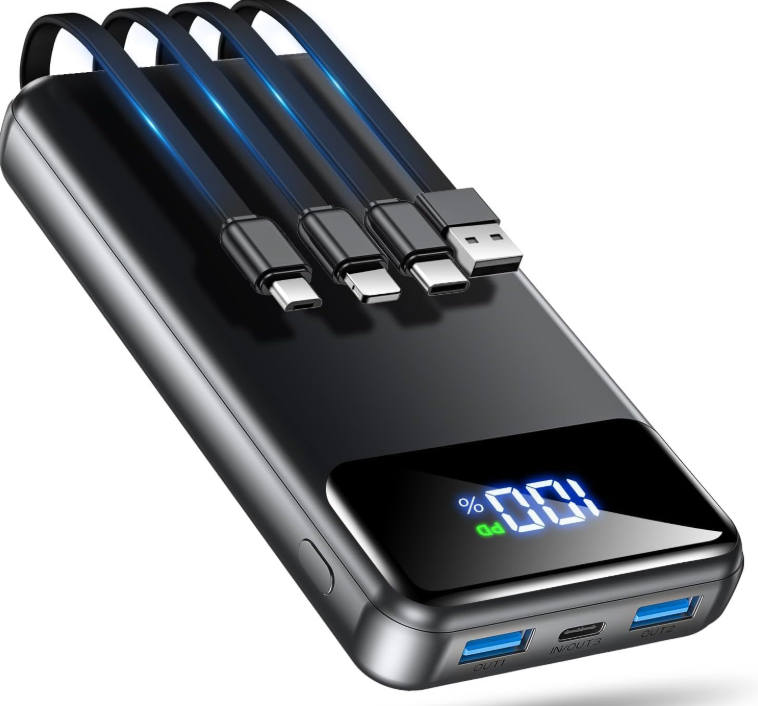
Perfect for tree stands and ground blinds. They provide steady heat and double as backup battery banks.
2. Insulated Hunting Gloves
Look for wind-blocking and quiet fabric. Avoid bulky gloves that limit trigger control.
Pro Tip: Many hunters skip bulky gloves entirely and rely on hand warmers + liners for better control.
Keeping Your Feet Warm on Long Sits
Cold feet end more hunts than any other issue. Walking in warms them up—sitting drains them fast. Cold-weather hunts often turn into long sits, and staying comfortable directly impacts how long you can remain effective in the stand. This is something we cover more deeply in How to Stay on Stand Longer During Late Season.
Best Options for Cold Feet
1. Merino Wool Socks
Avoid cotton. Merino regulates temperature and manages moisture.
2. Insulated Hunting Boots
Choose insulation based on how long you sit—not how far you walk.
3. Toe Warmers
Critical for late-season sits below freezing.
Mistake to Avoid: Wearing boots too tight. Restricted circulation equals cold feet—every time.
Keeping Your Core Warm (The Most Important Part)
If your core stays warm, your hands and feet stay warmer longer. This is where smart layering pays off.
Best Core Warmth Gear
1. Heated Hunting Vest
Adds heat without bulk. Ideal under a jacket or outer shell.
2. Insulating Mid-Layer (Fleece or Puffy)
Traps heat while staying quiet.
3. Wind-Blocking Outer Layer
Wind strips heat faster than cold air alone.
Common Cold-Weather Hunting Mistakes
- Overdressing before the hike in (leads to sweat → cold)
- Ignoring wind protection
- Wearing cotton socks
- Waiting too long to add insulation
- Relying on a single “heavy” layer instead of proper layering
Many hunters rely on gadgets that look useful but never make it into the field. We’ve filtered out the noise in Best Hunting Gadgets That Actually Work.
Final Thoughts
Cold weather doesn’t have to end your hunt early. With the right combination of hand warmth, foot insulation, and core heat, you can stay comfortable, focused, and patient—exactly when deer movement improves.
If you’re building your late-season kit, start with one problem area and improve it first. Small upgrades make a big difference over long sits.
For a complete breakdown of all gear categories, visit the Deer Hunting Gear Guide.