How to Stay Quiet While Deer Hunting (Gear That Actually Matters)
Most hunters think noise problems come from dramatic mistakes—metal clanks, dropped gear, obvious movement. In reality, most blown encounters come from small sounds made late in the sit, when the woods are quiet and patience is thin.
Quiet gear isn’t about eliminating sound entirely. It’s about removing the noises that don’t need to happen—the ones caused by poor choices, loose items, and unnecessary handling.
This guide focuses on the few gear decisions that consistently reduce incidental noise on stand.
Where Noise Actually Comes From
Before talking gear, it helps to identify the real sources of sound on stand:
- Fabric brushing bark or metal
- Loose items shifting when you move
- Gear contacting the stand during small adjustments
- Reaching for items you can’t find by feel
Most of these aren’t solved by buying more gear. They’re solved by choosing the right gear and using less of it.
Quiet Gear That Actually Makes a Difference

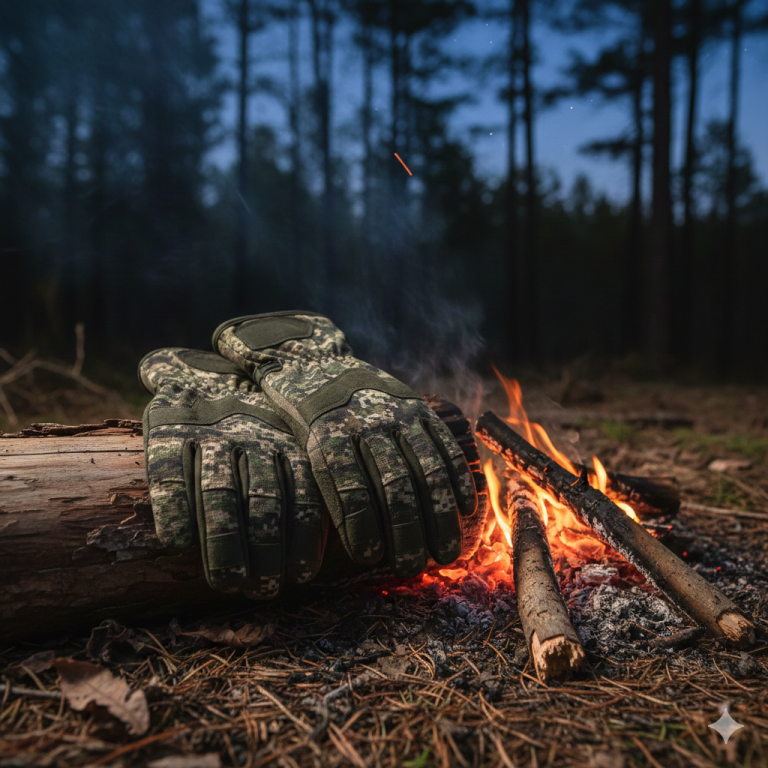
1. Quiet Outer Layers (Fabric Matters More Than Insulation)
As sits stretch long and the woods settle, fabric noise becomes obvious.
Quiet outer layers:
- Don’t stiffen in cold
- Stay silent during small movements
- Allow adjustment without broadcasting it
Late in a sit, fabric noise matters more than warmth or bulk.
2. Minimal, Secure Attachment Points
Loose gear creates unpredictable noise.
Quiet setups:
- Use as few attachment points as possible
- Keep items tight to your body or pack
- Avoid dangling accessories altogether
If something moves when you move, it’s a liability.
3. A Pull-Up System That Starts the Sit Calmly
Noise often starts before you’re settled.
A simple, quiet pull-up rope:
- Prevents climbing with shifting gear
- Keeps movement controlled and repeatable
- Eliminates fumbling once on stand
Starting the sit calmly sets the tone for everything that follows.
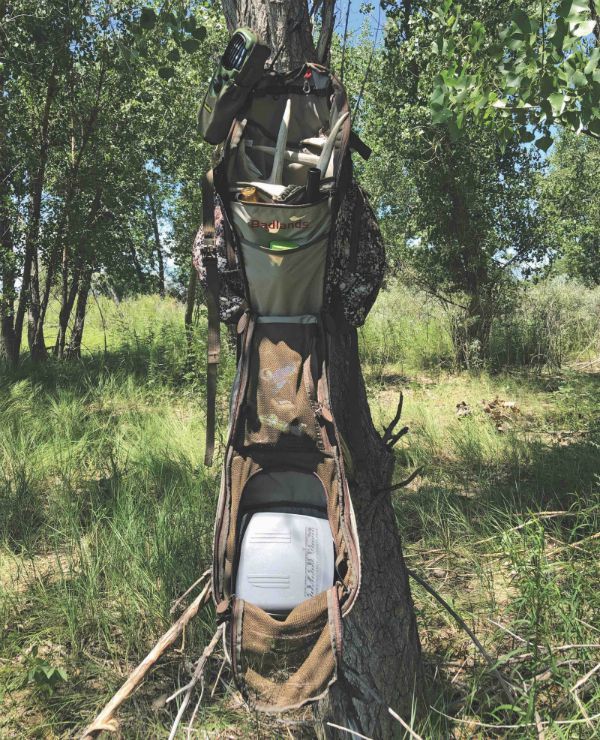
4. Organization That Works by Feel
The more you look for gear, the more you move.
Quiet organization:
- Keeps essential items in fixed locations
- Allows access without visual confirmation
- Reduces unnecessary shifting
Good organization doesn’t add pockets—it removes searching.
5. Fewer Items, Used Intentionally
Every extra item:
- Adds weight
- Adds movement
- Adds potential noise
Quiet hunters aren’t perfectly silent. They’re selective. They carry only what they’re willing to manage quietly.
What Doesn’t Matter (Despite the Marketing)
You can safely skip:
- Noise-reducing gadgets that add bulk
- Overbuilt accessories that require adjustment
- Anything that introduces more contact points
If it demands attention on stand, it’s working against you.
How Quiet Gear Fits the Long-Sit System
Quiet gear matters most late—when:
- Light is fading
- Movement slows
- Pressure increases
- Small sounds carry
That’s why noise control directly supports gear that helps you stay on stand longer and the disciplined approach behind hunting accessories worth carrying.
Closing Thought
Quiet on stand isn’t about perfection. It’s about eliminating preventable noise so your presence fades into the background.
The fewer sounds you create without purpose, the longer you stay invisible—and the longer you stay in the hunt.